-5.png)
An exclusive exceptionally delicious tea from a renowned Nepali garden,

Product detailed description
- style: spring harvest white tea
- cultivar: blend of Taiwanese and Japanese cultivars
- altitude: 1850 m
- flavour profile: floral-herbal, pleasantly sweet
- lot: J6-2026
- production: 3.5kg
Hand-picked and processed using a technique developed at Jun Chiyabari over the years through experience and countless experiments.
At first glance, the eye delights in the beautiful shape of unbroken leaves with a generous proportion of tips.
Bring the dry leaves to your nose and you will catch the meadow and herbal fragrance typical of high-quality white tea.
The colour of the prepared infusion is a sparkling golden yellow.
On the palate there is a pleasant floral sweetness and an herbal note with a long-lasting, soft finish.
After drinking, the tea leaves a warm, calming feeling.
From this superb white tea you can expect its quality to continue improving with ageing.
Tea cultivation in Nepal has a relatively short history, dating back to the 19th century. The first tea seedlings were brought to Nepal from the renowned Darjeeling region in neighbouring India. Tea growing began to develop in higher-altitude areas, which are well suited to the production of fine teas.
In 1863, the first tea estate in Nepal was established under the name Ilam Tea Estate. Further plantations followed, primarily in the eastern and central regions of Nepal.
During British rule, tea became an important source of income for Nepal and was exported mainly to India and Great Britain. After Nepal gained independence, tea cultivation was somewhat neglected. In recent decades, however, interest in Nepali teas has returned, and in terms of quality they often rival — or even surpass — Darjeeling.
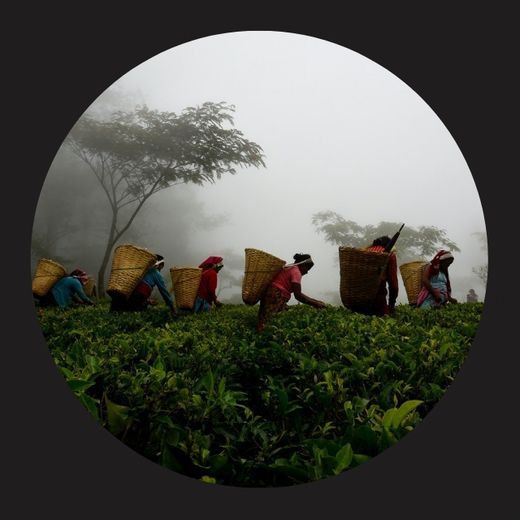
The Jun Chiyabari tea garden is situated in the hills above the town of Hile in Dhankuta district. Divided into five sections at altitudes of 1,700–2,100 metres above sea level, it covers 96 hectares. From the very beginning, Jun Chiyabari has been a carefully conceived and planned organic garden project — from the purchase of land at specifically selected locations, through the planting of chosen cultivars and the design of a small tea processing factory, to the hiring of the best people in the tea industry.
The cornerstone of Jun Chiyabari's philosophy is respect for tea, people, and nature. Their goal is simply to produce the finest possible teas while maintaining organic and nature-friendly practices, drawing rich inspiration from Masanobu Fukuoka.
Jun Chiyabari in Nepali means "moonlit tea garden", and Jun (純) in Japanese means "pure".
region:

Preparation
Teapot
 200 ml / 6g
  85 °C
85 °C  120 sec
We recommend using Nartes water for this tea.
Packed in a resealable ziplock bag.
Product rating
Be the first who will post an article to this item!
Only registered users may submit ratings. Please log in or sign up.
Discussion
Be the first who will post an article to this item!