

-5.png)
Katagi-san
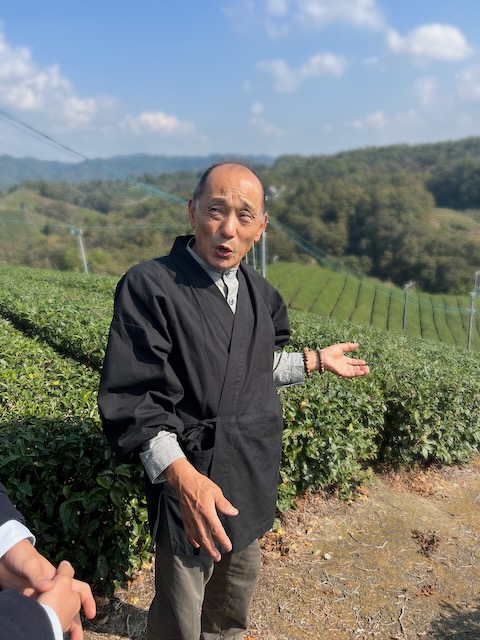
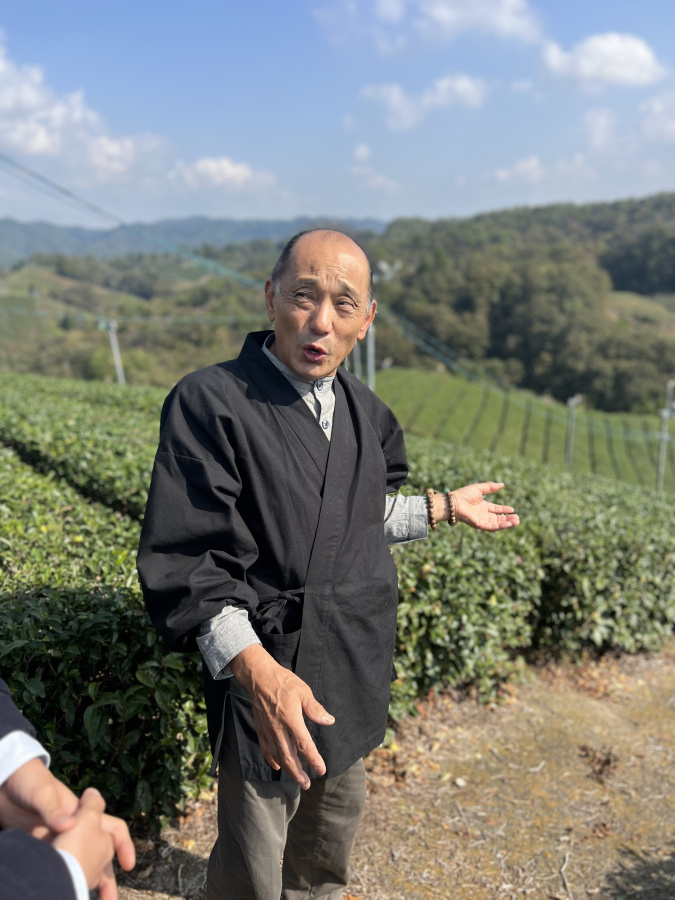
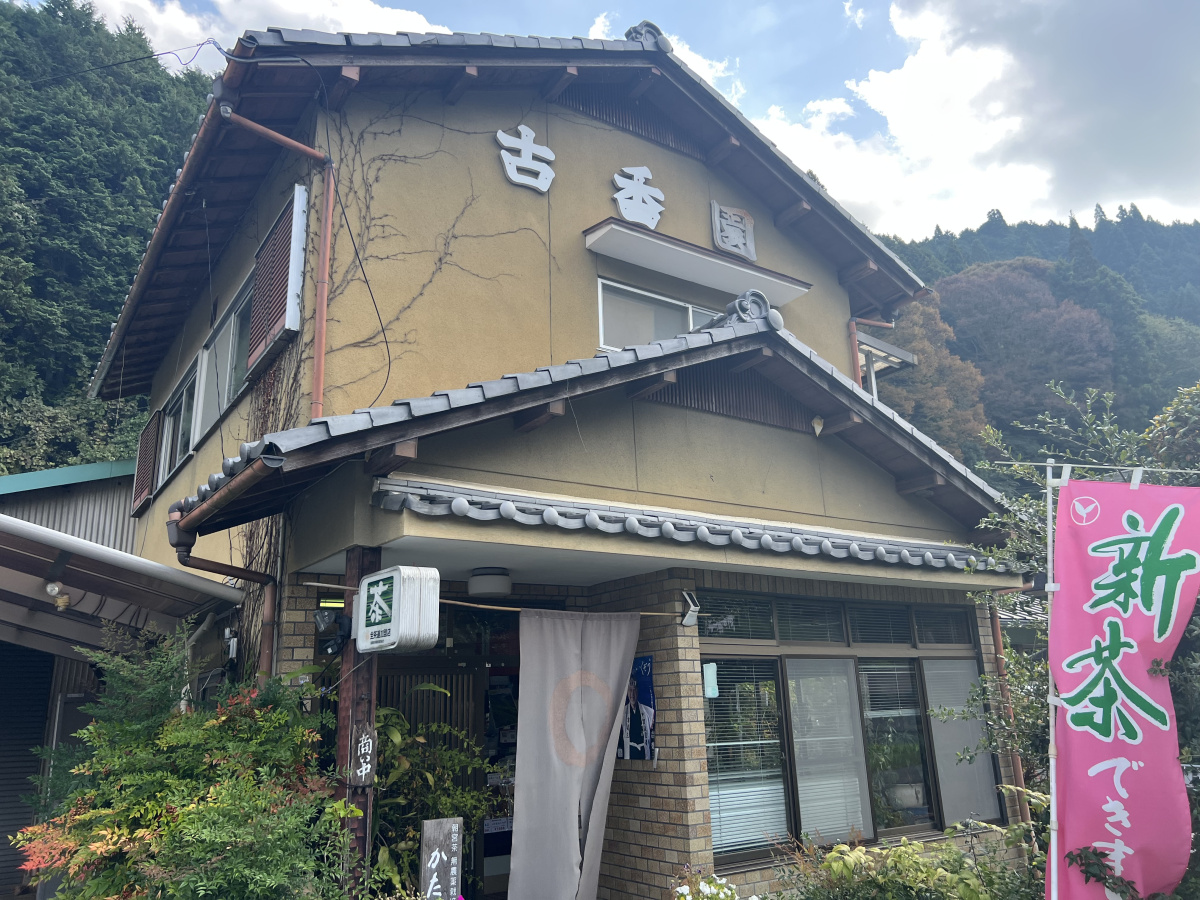
The story begins in the mid-1970s. Akira Katagi, the sixth generation of the family, made a radical decision. At the height of agricultural chemicalization, he rebelled against the toxicity of constant chemical spraying—up to thirteen times a year—and declared that tea meant to bring people health and calm could not be produced with poisons. In 1975, Katagi Koka-en became one of the very first farms in all of Japan to completely eliminate pesticides and synthetic fertilizers. It took years of hardship, difficult trials, and bold experimentation before the ecosystem in the mountains around the town of Shigaraki recovered, but the result defined a new era of pure tea.
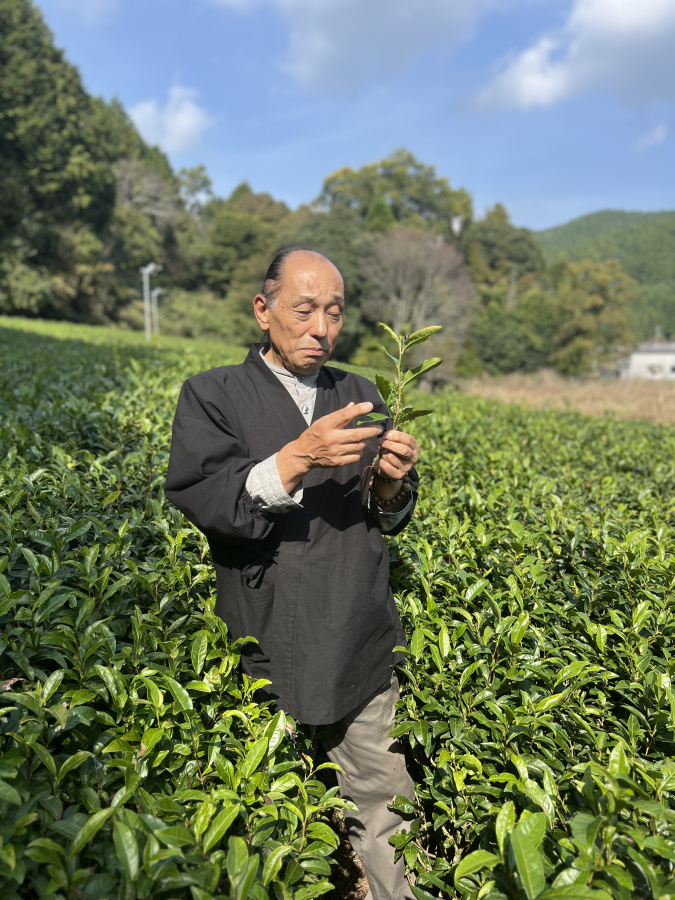
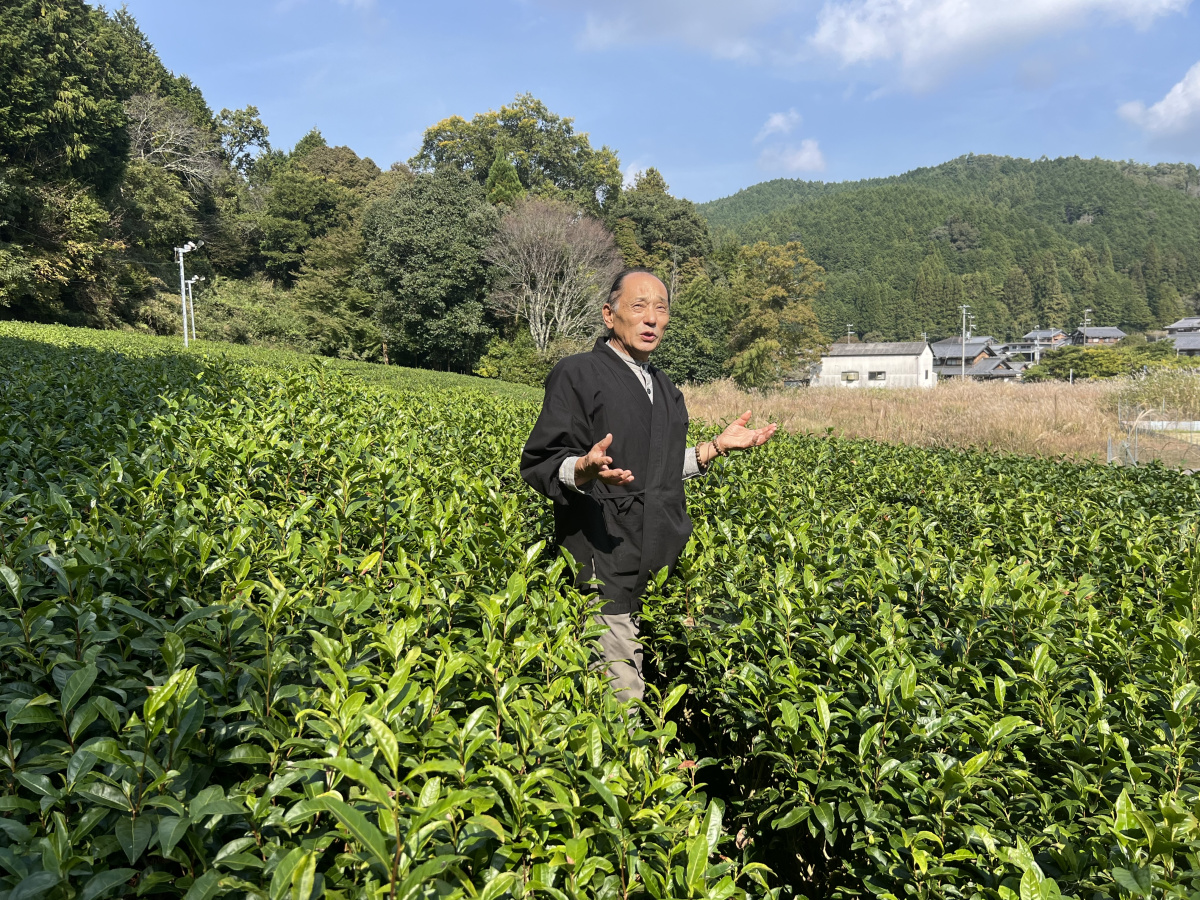
The heart of his garden is the Yabukita cultivar, though in a form you will not find in modern textbooks. Most of his tea bushes are around fifty years old. When asked whether it is not time to replace these old plants with new ones, Mr. Katagi laughs heartily. He says that the people who wrote the tea textbooks simply do not know how to care for the soil.
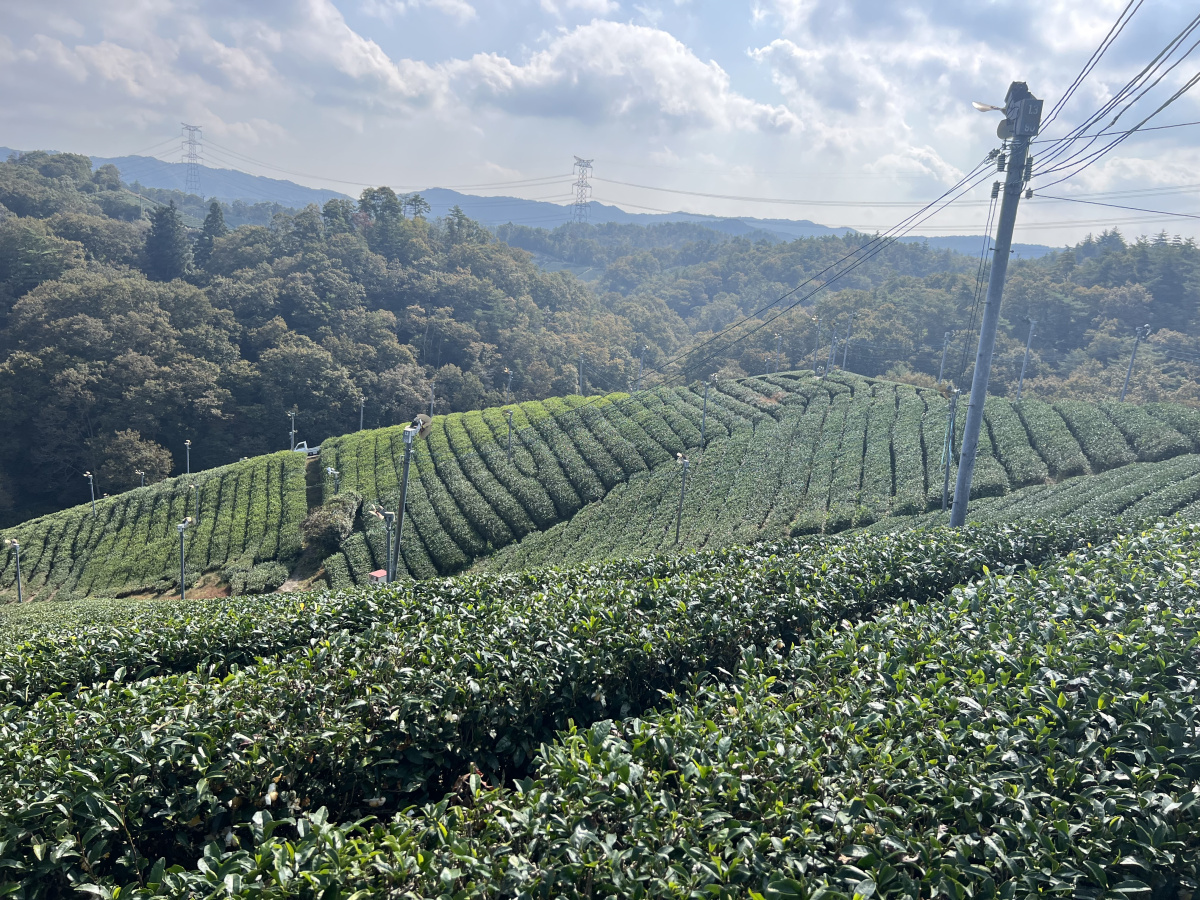
While industrial farms regularly replace their bushes, Mr. Katagi focuses on cultivating the land itself. Because the soil has not been devastated by chemicals, fifty-year-old roots can reach deep into the earth and draw strength that young plantings will never attain. Here, at an altitude of around 400 meters, the plants face extreme temperature differences between day and night. These harsh conditions force the leaves to grow more slowly and to concentrate an intense, intoxicating high-mountain aroma within themselves—yamacha.
Mr. Katagi processes his tea mainly using the traditional method of light steaming, which preserves the natural shape and spirit of the leaves. The result is a crystal-clear, pale golden infusion with the scent of morning mist and forest. It is tea in its purest, uncompromising form.
Katagi-san is one of the very few people whose sencha undoubtedly gains quality with aging.


Product sorting
Brands
List of products
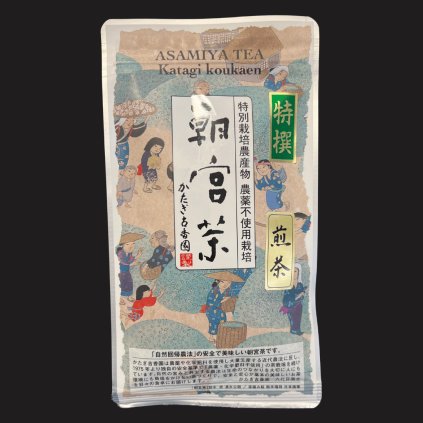
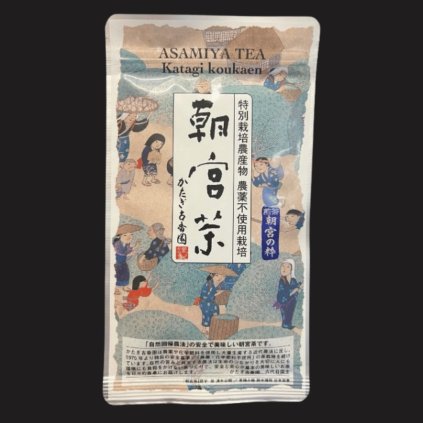
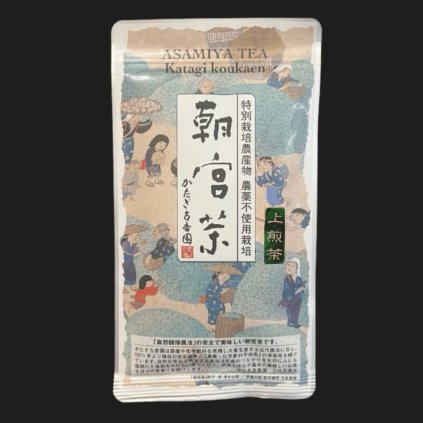
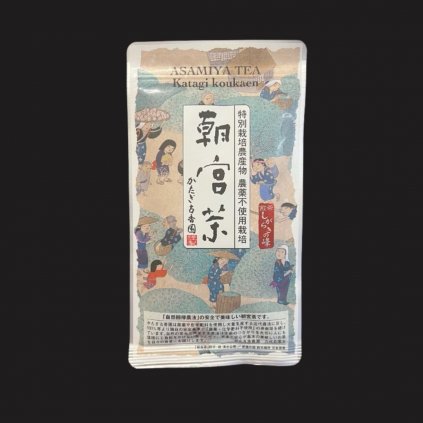
The highest grade of premium sencha from Mr. Katagi
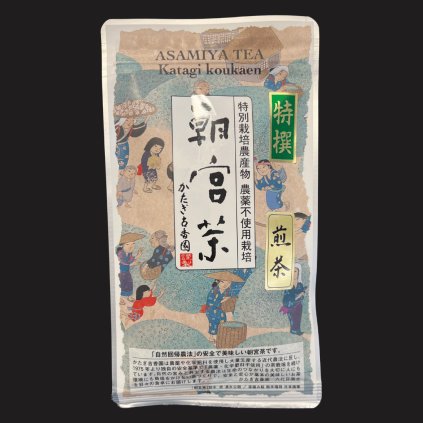
The highest grade of premium sencha from Mr. Katagi