-5.png)
Sannen bancha 50g
This tea is naturally very low in caffeine and catechins

Product detailed description
- type: sannen bancha (三年番茶)
- processing: roasted
- cultivar: zairai (native varieties from abandoned tea fields)
- region: Kurokawa, Shirakawa-chō, Gifu
- harvest: winter
Sannen bancha – literally "three-year bancha." According to some historical sources, the technique of its preparation was brought to Japan by Chinese monks as early as the Tang Dynasty (618–907). In the old days, tea leaves were placed in ceramic jars, covered with Japanese paper, sealed, and left to mature for three years. Today, sannen bancha is produced in two distinct ways: by ageing harvested leaves for three years, or by harvesting bushes that have been left to grow freely for three years. This Sannen Bancha was made using the latter method.
The tea bushes for this sannen bancha grew for three years without pruning or harvesting on abandoned tea fields in the mountain village of Kurokawa in Gifu Prefecture. Left to themselves, the bushes surpassed human height, their branches thickened and accumulated minerals from the rich mountain soil. In winter, entire branches were cut, chopped into pieces, steamed, dried, and lightly roasted at the very end. As a result, the tea looks entirely different from conventional tea leaves – it looks more like wood chips, with pieces of twigs far outnumbering the leaves.
Behind this sannen bancha is Kazunori Itō and his project Nichinichi Sabō (日々茶焙) – the tea branch of the organic farm Wagokoro Nōen. Itō-san moved from Nagoya to Kurokawa in 2010, where he devotes himself to organic farming and the revival of abandoned tea gardens. The entire tea is processed exclusively using firewood, with no chemical inputs whatsoever.
Thanks to three years of unrestricted growth and roasting, this tea is naturally very low in caffeine and catechins. In the macrobiotic tradition, sannen bancha is valued for its warming properties – it is made from the lower parts of the plant (stems and branches), which are considered energetically closer to root vegetables. The flavour is round and gently woody, with notes of roasted nuts and a light sweet finish. An excellent tea for the whole family – from children to the elderly – and a wonderful companion for winding down in the evening.
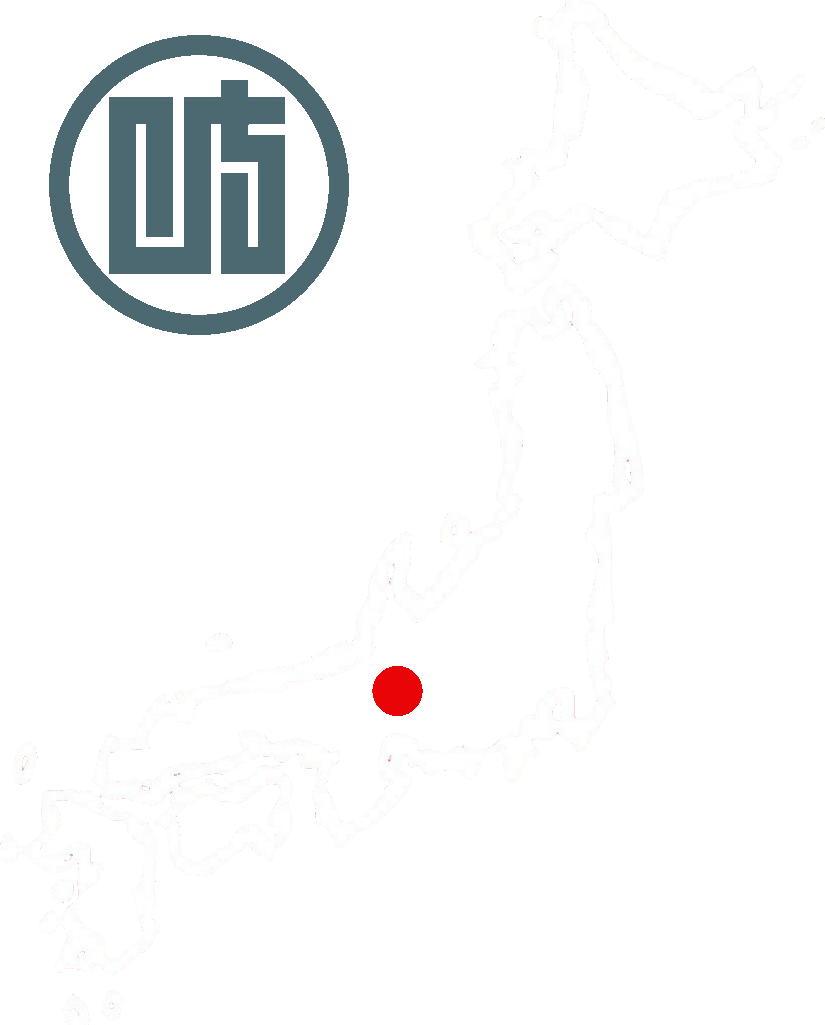

Tea farm: Wagokoro Nōen / Nichinichi Sabō (日々茶焙)
Terroir: Kurokawa, Shirakawa-chō, Gifu, Japan
Altitude: ~400m
Brewing
A versatile tea – kyusu, mug, or kettle
200 ml / 5g  100 °C
  120–180 sec
Sannen bancha is an exceptionally versatile tea that can be prepared in several ways:
1. Classic brew: Pour 200ml of boiling water over 5g of tea and steep for 2–3 minutes.
2. Simmered: For a more aromatic, fuller flavour, gently simmer 10–15g of tea in 1 litre of water for 10–15 minutes over low heat.
3. Cold brew: Add 10–15g of tea to 1 litre of cold water and leave in the fridge for a few hours. A refreshing choice for summer days.
4. Umeboshi tea (梅醤番茶): Mash one umeboshi (Japanese pickled plum) with a little grated ginger and a dash of soy sauce. Pour hot sannen bancha over it. A traditional macrobiotic drink to fight fatigue.
Use soft filtered water. Sannen bancha handles boiling water and longer steeping well – thanks to its low catechin content, it will not turn bitter.
Packed in a resealable pouch to preserve maximum freshness.
Product rating
Be the first who will post an article to this item!
Only registered users may submit ratings. Please log in or sign up.
List of ratings
Discussion
Be the first who will post an article to this item!